Hot Weather News: Extreme Heat Has Already Arrived
In March 2026, a desert town in Arizona, USA, hit 110°F (43.3°C), breaking the all-time record for the hottest March temperature in the country. Phoenix reached 105°F (40.6°C) much earlier than usual.
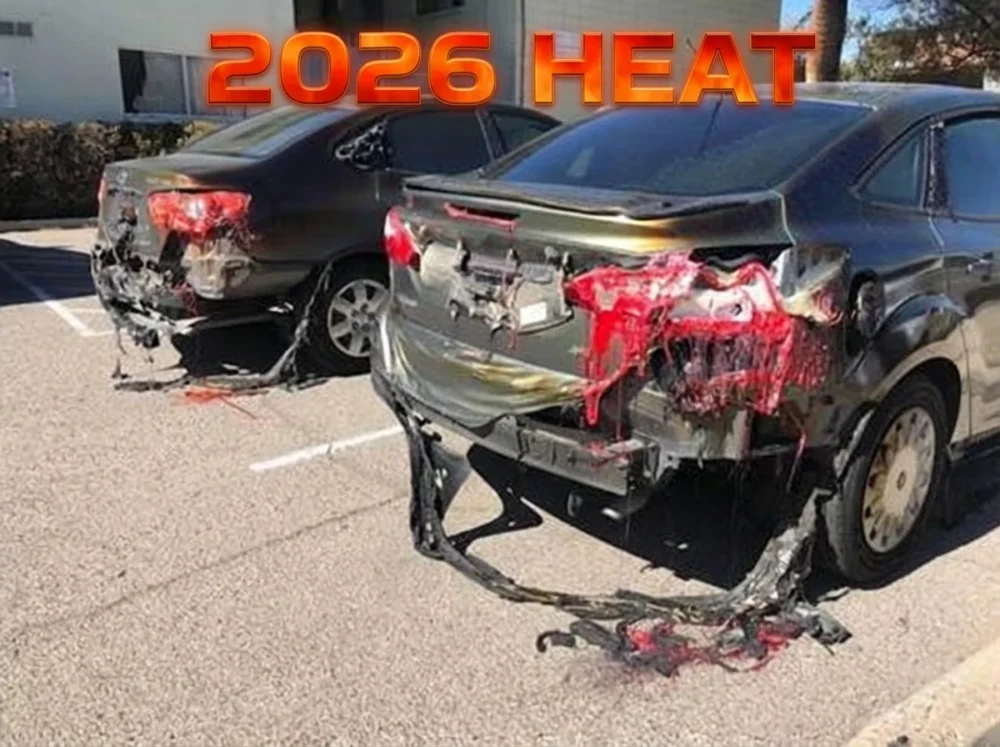
Scientists say this kind of heat wave would almost never happen without climate change. Read the full story: Arizona desert town breaks record for hottest March temperature in US history
In Hong Kong, the Hong Kong Observatory released its 2026 weather outlook on March 23. Due to possible El Niño later this year and ongoing global warming, the annual average temperature is expected to be higher than normal, with a high chance of ranking among the top 10 warmest years on record. The past winter was already the hottest ever.
With hotter summers becoming normal, many people in Hong Kong are worried: Will electricity bills rise again? How long will we need to run the air conditioner? Is there an easier, cheaper way to keep our homes and offices cool?
The Real Problems of High Temperatures – Do You Feel These Too?
- Rising electricity bills: Air conditioning is essential in summer, but the bills can hurt your wallet.
- Stuffy indoor heat: Walls and roofs soak up sun heat like sponges, making rooms feel hot even when the AC is on.
- Health and comfort issues: Long heat can cause tiredness, heatstroke, and discomfort — especially for kids, elderly people, and outdoor workers.
- Vicious cycle: More AC use means more electricity and more contribution to global warming.
Traditional insulation or ordinary reflective paint helps only a little. Powerful air conditioners work but use a lot of power. In 2026’s extreme heat, we need a smarter way that reduces heat from the start without extra electricity.
Radiative Cooling Coating: A Passive Way to Help Buildings Stay Cooler
There is a technology called radiative cooling coating that helps building surfaces cool down noticeably under strong sunlight — without using any electricity.
It works in two simple ways:
- High solar reflection: It reflects up to 92% of sunlight and heat away, so walls and roofs absorb much less heat.
- Radiative cooling: The material sends built-up heat out into cold outer space through special infrared wavelengths, working day and night.
Real tests show clear results. Under the same hot sun, coated surfaces are about 22°C cooler than untreated ones.
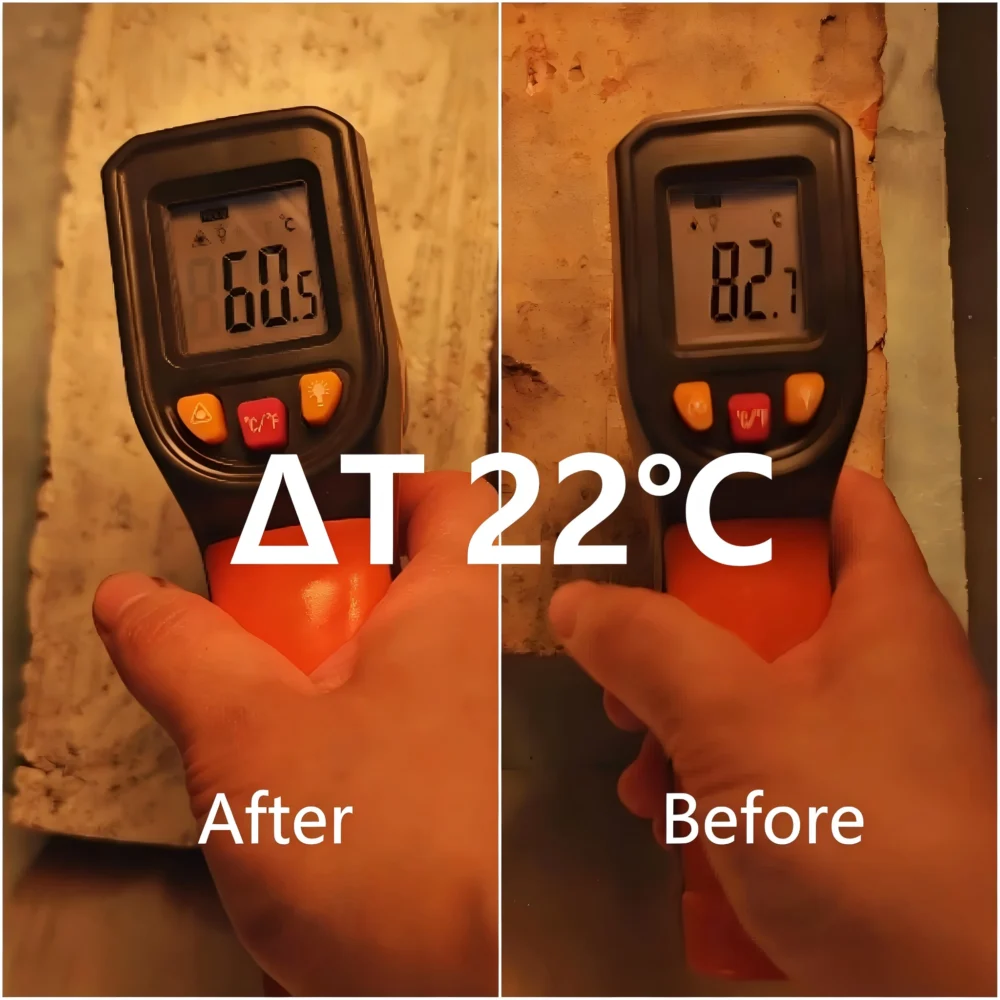
When the outside surface stays much cooler, less heat enters the building. Rooms heat up more slowly, so many people find they don’t need to run the air conditioner as strongly or as often. Electricity bills feel lighter, and indoor spaces feel more comfortable.
In real applications in Hong Kong and other hot areas:
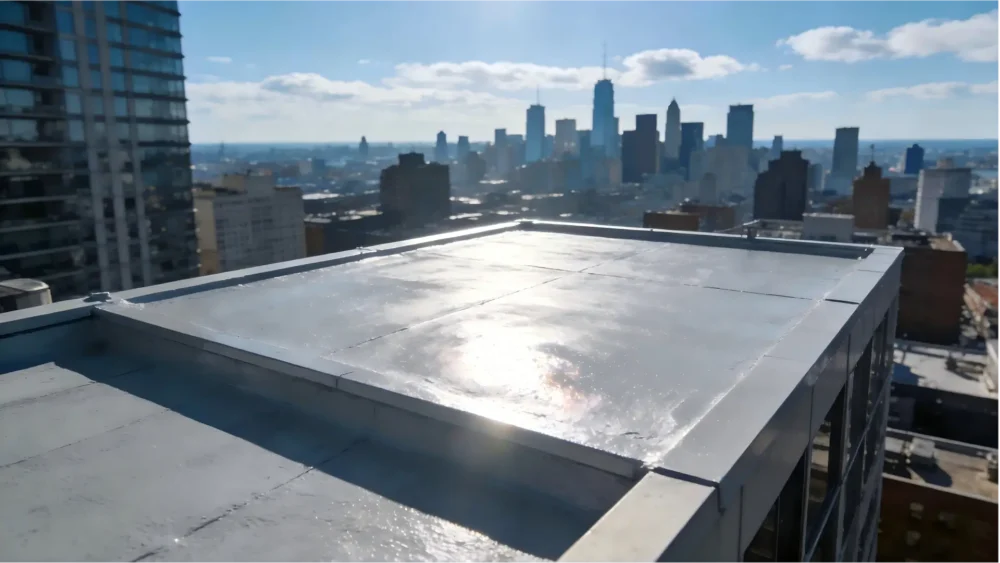
- Some rooftops and walls showed much lower surface temperatures after treatment.
- Factories and homes reported slower indoor temperature rise and lighter air conditioning loads.
- Users often say the biggest change is that walls and roofs no longer feel burning hot, making summer days more pleasant.
These examples show that passive cooling can address the root problem — heat coming in from outside — instead of only fighting it with air conditioning later.
Practical Thoughts and Suggestions
People who have tried similar coatings often mention feeling relieved: rooms stay cooler longer, the AC runs less, and daily life feels more comfortable in hot weather.
This method works well for high-rise apartments, offices, factories, and older buildings in Hong Kong’s hot and humid climate. It can be used alone or combined with existing insulation.
If you are concerned about high electricity costs and stuffy heat this summer, it may be worth exploring this passive cooling option and checking if it suits your building. A bit of early preparation could bring more comfort and savings.
Let’s Face the 2026 Summer in a Smarter Way
High temperatures in 2026 are no longer just a forecast — they are happening now.
Radiative cooling coating offers a simple, electricity-free way to help buildings reject and release heat. It can reduce heat entering your space, lighten the load on air conditioning, and make summer a little more comfortable and affordable.
Visit us to learn more about how this coating performs in real conditions or to get advice for your situation.
Wishing you a cooler, more comfortable, and energy-saving summer in 2026!