How to Remove Oil Film from Windshield?
Have you ever squinted through a greasy haze on your glass? This oily film distorts light and makes driving dangerous, especially at night or in the rain. I’ve been there, and it’s more than just annoying—it’s a safety risk.
The most effective way to remove oil film is to use a dedicated glass cleaner or a vinegar solution, applied with a microfiber cloth, after thoroughly cleaning the wiper blades. For persistent film, a specialized oil film remover or detailing clay is necessary.
Understanding the cause and the right removal method is the first step. But to truly win the battle, you need to know why it happens, how to tackle it for good, and how to stop it from coming back so quickly. Let’s get your windshield crystal clear again.
What Causes Oily Film on Windshield?
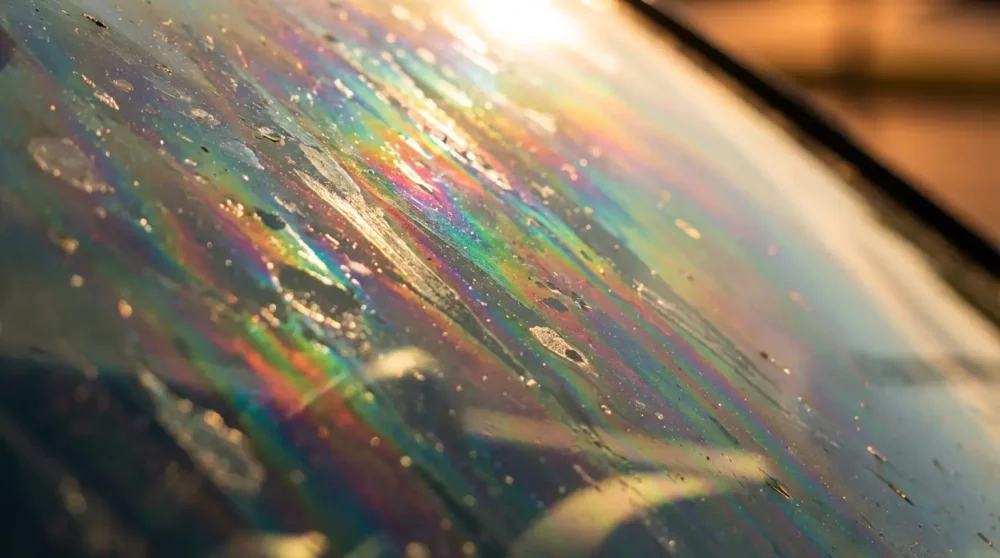
That stubborn, rainbow-sheen film isn’t just dirt. It’s a persistent layer of grime that regular washing misses. Ignoring it means your wipers just smear it around, making your visibility worse every time it rains.
Oily film on your windshield is primarily caused by road tar, exhaust soot, and industrial pollution bonding to the glass. It also comes from your own car’s emissions, plastic vapors from the dashboard, and residues from wax or car wash soaps.
%[Close-up of oily rainbow film on car windshield
Breaking Down the Sources of Windshield Grime
The film on your glass is a complex mix. We can break its sources into two main categories: external contaminants and internal factors. Knowing where it comes from helps you choose the right removal method and prevention strategy.
External Contaminants (What Lands on Your Glass):
This is the main source. As you drive, your windshield acts like a giant flypaper for all sorts of airborne grease.
- Road Film: This is a major culprit. It contains droplets of oil and grease that leak from other vehicles, tiny particles from asphalt (road tar), and residue from brake dust.
- Exhaust Soot: The plumes of smoke from diesel trucks and other vehicles are full of unburned carbon particles and hydrocarbons. These stick to your glass, especially on highways.
- General Pollution and Pollen: Industrial smog, restaurant vent emissions, and even tree sap contain oily compounds. In spring, pollen can mix with morning dew and create a sticky, hard-to-remove layer.
- Improper Car Products: If you use a wax or sealant not meant for glass, or if overspray from polishing your paint lands on the windshield, it can leave a hazy, oily residue.
Internal Factors (What Comes from Your Car):
Your own vehicle contributes to the problem.
- Plastic Outgassing: The plastics and vinyl inside your car’s dashboard and interior release chemical vapors over time, especially when the car sits in the sun. These vapors condense on the inside of your windshield as a faint oily layer.
- Engine and Exhaust Vapors: Fumes from your own engine bay and exhaust system can be pulled into the fresh air intake, especially when idling, and then deposited onto the glass from the outside.
- Dirty Wiper Blades: Once the glass is contaminated, every pass of the wiper transfers some oil to the rubber blade. A dirty blade then re-smears the film every time you use it, making the problem cycle endlessly.
For tackling the toughest, most bonded layers of this grime, a product specifically designed to break it down is essential. I keep a bottle of a strong oil film remover in my detailing kit for this exact purpose. It dissolves the film without harsh scrubbing that can scratch the glass.
How to Remove Oil Film from Windshield?
Trying to clean oil film with just water and a towel is frustrating. You’ll see streaks and smears, and the haze will come back the first time you use your wipers. The wrong approach can even scratch the glass.
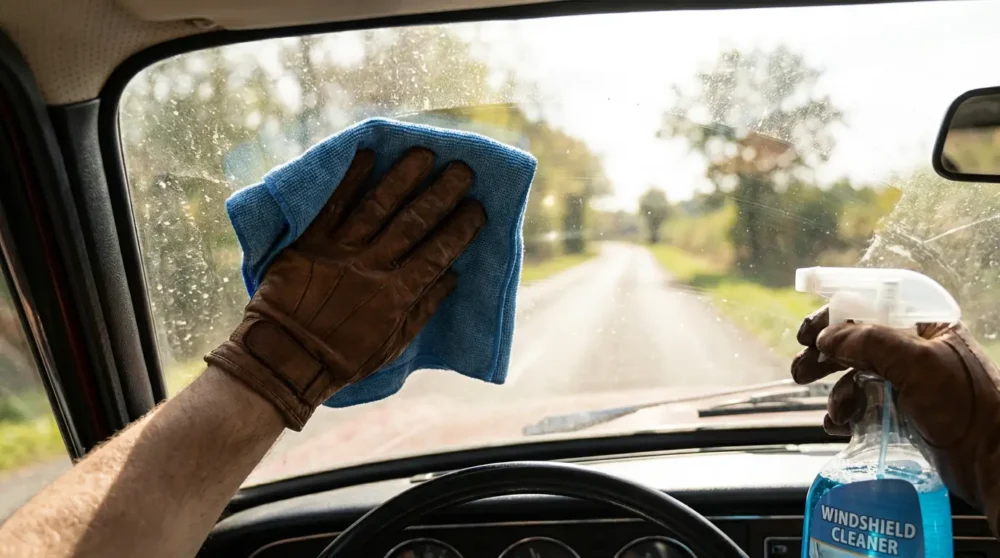
To properly remove oil film, clean the wiper blades first, then use a dedicated automotive glass cleaner or a 1:1 vinegar-water mix with a clean microfiber towel, scrubbing in a back-and-forth motion. For a deep clean, apply a specialized oil film remover or use detailing clay.
A Step-by-Step Guide to a Crystal-Clear View
A systematic approach is key. Start with the mildest method and work your way up to stronger solutions if needed. Always work on a cool, shaded windshield to prevent the cleaner from drying too fast.
Step 1: Prepare the Surface and Clean the Wiper Blades
This is the most skipped but critical step. If your blades are dirty, they will ruin your work instantly.
- Lift the wiper arms away from the glass.
- Wipe the rubber blades carefully with a towel soaked in isopropyl alcohol or the same glass cleaner you’ll use. Wipe until no black residue comes off on the towel.
Step 2: Choose Your Cleaning Method and Apply It
Here are the methods, from routine maintenance to deep cleaning:
| Method | Best For | How To Use |
|---|---|---|
| Dedicated Glass Cleaner | Regular maintenance and light film. | Spray directly onto the glass or onto a microfiber cloth. Scrub thoroughly. |
| White Vinegar Solution (1:1 with water) | A natural, inexpensive option for moderate film. | Mix in a spray bottle. Spray on, let sit for 30 seconds, then scrub. Avoid on tinted windows. |
| Specialized Oil Film Remover | Stubborn, built-up grease and road film. | Apply as directed (often rubbing in a circular pattern). Let it dwell to break down the oil. |
| Detailing Clay Bar | Feeling roughness or embedded contaminants after washing. | Lubricate the glass with a detailing spray. Gently glide the clay bar back and forth. |
Step 3: The Right Technique for Wiping
How you wipe is as important as what you use.
- Use a Clean, High-Quality Microfiber Towel. Old T-shirts and paper towels leave lint and can scratch.
- Wipe in a Straight-Line Pattern. Don’t use circular motions, as these can leave visible swirl marks on the glass when the sun hits it.
- Flip to a Dry Side. As one side of your towel gets dirty, flip it to a fresh, dry section to avoid re-depositing grime.
- Final Buff. After cleaning, go over the entire glass with a completely dry, clean microfiber towel to buff away any final streaks.
For the deep clean that makes water bead up and roll away, I always turn to my trusted oil film remover. It cuts through the film that standard cleaners leave behind, ensuring my wipers glide silently and clearly.
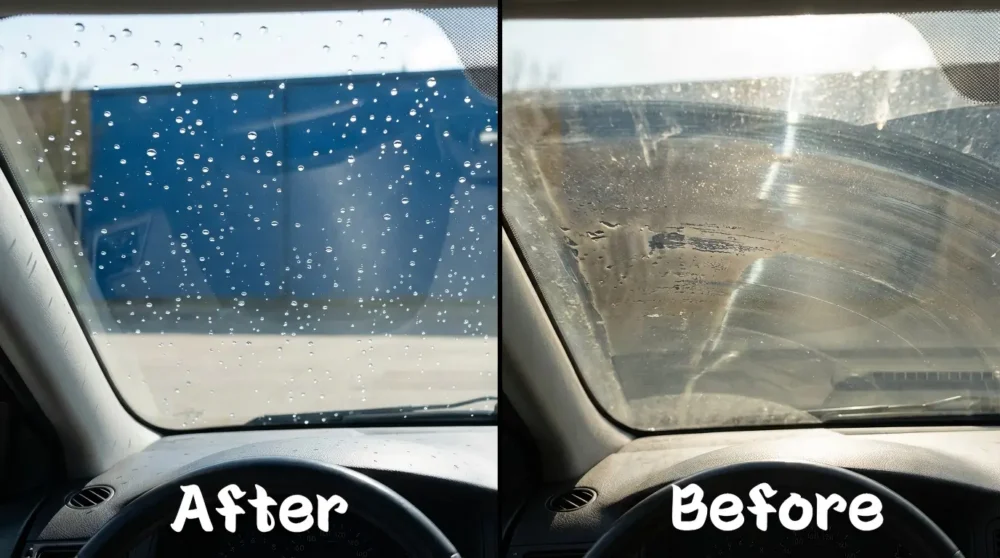
How Long Does Windshield Film Last?
You might hope the film will just wash away in the next rainstorm. But it doesn’t work like that. The oily layer acts like a glue, bonding dust and pollution to your glass more tightly every day.
Windshield film does not "last" a set time; it is constantly building up. The visible effect returns quickly—often within a week or two—depending on your driving conditions. A thorough professional-level clean might stay effective for 1-3 months.
Factors That Determine How Fast Film Returns
Think of your windshield’s clarity like a battery that slowly drains. How fast it "drains" depends on several key factors. Understanding these helps you predict and manage the cleaning schedule.
Your Driving Environment is The Biggest Factor:
Where and how you drive has the largest impact on how fast the oily film returns.
- City vs. Highway Driving: Stop-and-go traffic, especially behind buses or diesel trucks, coats your glass with exhaust soot rapidly. Highway driving exposes you to more insects and road spray, which also contain oils.
- Road Conditions: Driving on freshly paved or treated roads will deposit tar and oil droplets much faster. Wet roads also kick up a mist of oily grime.
- Parking Location: Parking under trees leads to sap and pollen. Parking near industrial areas or restaurants exposes your car to airborne grease and pollution even when it’s stationary.
Your Car’s Own Habits and Maintenance:
Your vehicle’s condition and how you care for it play a supporting role.
- Engine Health: An older engine that burns some oil or has minor leaks can release more oily vapors under the hood, which may reach the windshield.
- Interior Condition: A dusty or dirty dashboard, especially when heated by the sun, releases more particulates that can stick to the inside of the glass.
- Cleaning Frequency: If you only clean your windshield during a standard car wash (which often uses soaps that leave residue), the film builds up in layers. Proactive cleaning with the right products resets the clock.
The Quality of Your Last Cleaning:
This is crucial. A half-hearted clean leaves a base layer for new grime to stick to.
- A quick wipe with a generic cleaner might buy you a week of clarity.
- A meticulous clean with a dedicated oil film remover, followed by a sealant, creates a slick, protective barrier. This barrier makes it harder for new contaminants to bond, extending the clean feeling for a month or more. For me, a deep clean every season (about 3 months) keeps visibility consistently perfect.
How to Prevent Oil Buildup on Your Windshield?
Constantly battling oily film is tiring. Prevention is easier than cure. Small changes in your habits and adding one simple product can dramatically slow down the rate of buildup.
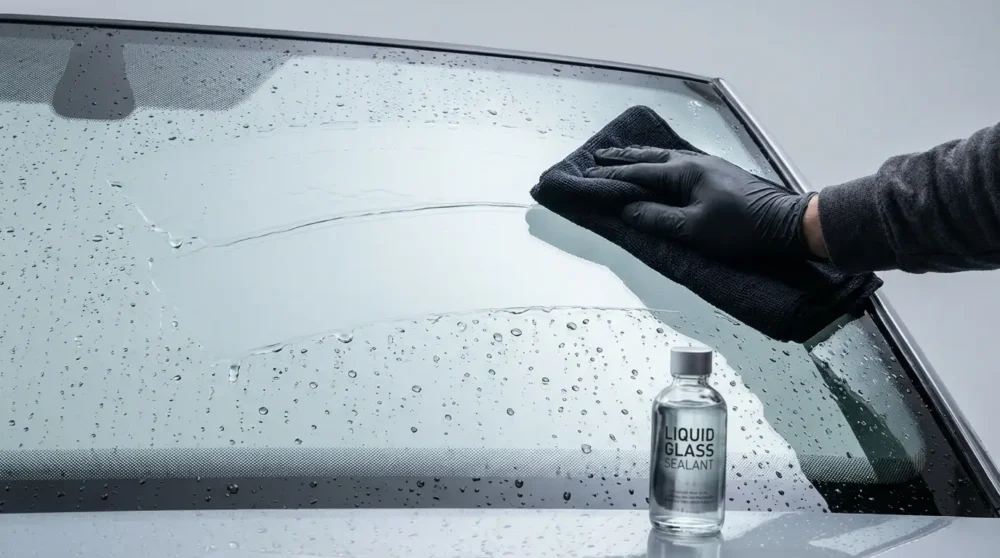
To prevent oil buildup, use your car’s air recirculation button in heavy traffic, apply a water-repellent glass sealant, and make dedicated glass cleaning with the right products a part of your regular car care routine, not just the occasional car wash.
Proactive Habits and Protective Products
Prevention works on two fronts: reducing the amount of contamination that hits the glass, and making the glass itself easier to clean when it does get dirty.
Smart Driving and Parking Habits:
You can minimize exposure without changing your route.
- Use the Recirculation Mode: When you’re stuck in traffic, behind a smoky vehicle, or in a tunnel, press the air recirculation button on your climate control. This stops your car from pulling in outside air filled with exhaust fumes and instead recirculates the air already inside the cabin.
- Mind Your Parking Spot: Whenever possible, park in a garage or shaded spot away from trees that drip sap. If you must park under a tree, a windshield sun shade can help protect the outside from drips and the inside from UV damage that speeds up dashboard outgassing.
- Keep Your Distance: Maintaining a safe following distance from large trucks and buses reduces the direct spray of road grime and exhaust onto your windshield.
The Power of a Glass Sealant (The Best Defense):
This is the single most effective preventative step. A sealant creates an invisible, slick coating on the glass.
- How It Helps: It doesn’t stop film from landing, but it prevents it from bonding strongly. Water beads up and rolls off, taking loose dirt with it. When you do need to clean, the oily film wipes away much more easily.
- Application: After a perfect deep clean (this is where using an oil film remover first is ideal), apply the sealant as directed. It typically lasts 3 to 6 months, providing long-term protection.
Establish a Maintenance Cleaning Routine:
Don’t wait for the film to become visible.
- Clean the Inside Too: Wipe the interior glass every month with a glass cleaner to remove the oily film from dashboard vapors. Use a different, dry microfiber towel for the final buff.
- Upgrade Your Washer Fluid: Use a high-quality, ammonia-free washer fluid with detergents designed for automotive glass. Cheap fluids can leave residues.
- Make It Part of Your Wash: Every time you wash your car, make the windshield the final, focused step. Use a dedicated glass cleaner and two clean towels (one to wash, one to dry). This weekly or bi-weekly habit prevents the major buildups that require heavy-duty products.
Conclusion
A clear windshield is critical for safety. By understanding the causes, using the right removal techniques, and adopting simple preventative habits, you can ensure your view is always unobstructed.