How Does Nano Technology in Stone Sealants Prevent Water Damage on Natural Surfaces?
Water damages stone surfaces every day. It leads to stains and cracks. I know this from my own patio. Nano sealants fix this problem fast.
Nano technology in stone sealants uses small particles. These particles form a barrier on stone. The barrier repels water. Water beads up and rolls off. This stops damage from moisture. It works on marble, concrete, and other natural stones. The seal lasts for years.
You see the basics now. But details matter. Read on to learn more about this tech.
What Is Nano Technology in Stone Sealants?
Stone sealants often fail over time. Water seeps in and causes harm. I recall my kitchen counter getting stained. Nano tech changes the game.
Nano technology means working with tiny particles. These particles are one billionth of a meter. In stone sealants, they bond to the surface. They create an invisible shield. This shield keeps water out. It does not change the stone’s look.
Nano technology1 started in labs. Now it helps homes. I use it in my work at our company. We make nano materials.
Basics of Nano Particles
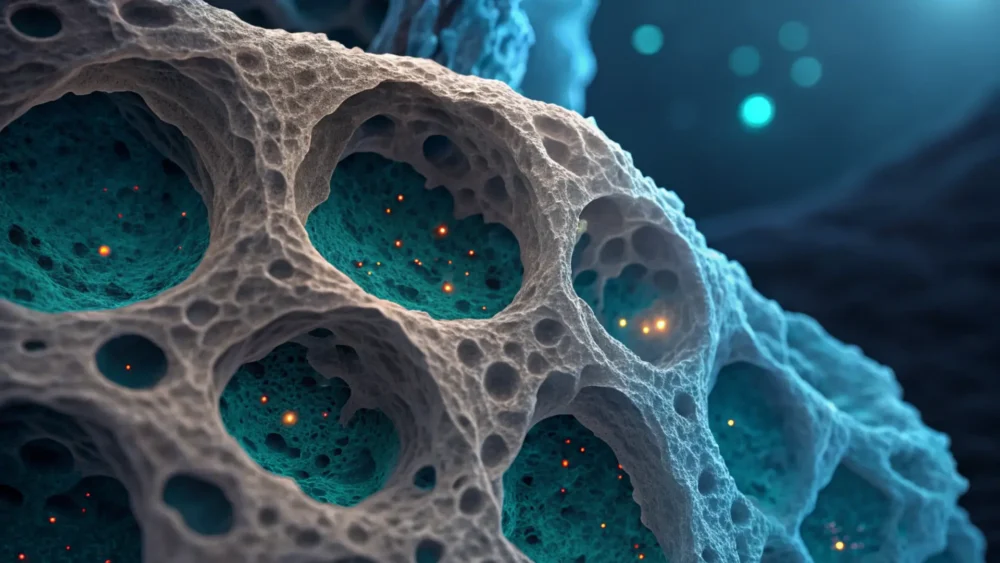
Nano particles2 are very small. They fit into stone pores. Regular sealants sit on top. Nano ones go deep. This makes them last longer.
I tried a regular sealant once. It peeled off after rain. Nano sealant stayed strong.
Types of Nano Sealants
We have water-based and solvent-based. Water-based is eco-friendly. Solvent-based enhances color.
Here is a table:
| Type | Pros | Cons |
|---|---|---|
| Water-based | Safe for environment, no smell | May need more coats |
| Solvent-based | Deep penetration, color boost | Strong odor, flammable |
How It Differs from Traditional Sealants
Traditional sealants form a film. Water can get under it. Nano sealants bond at molecular level. No film to crack.
Critics say nano might harm health. But studies show safe use. I check labels always.
In my experience, nano sealants save money. Less repairs needed.
We offer products like our nano glass coating. It works similar on stone.
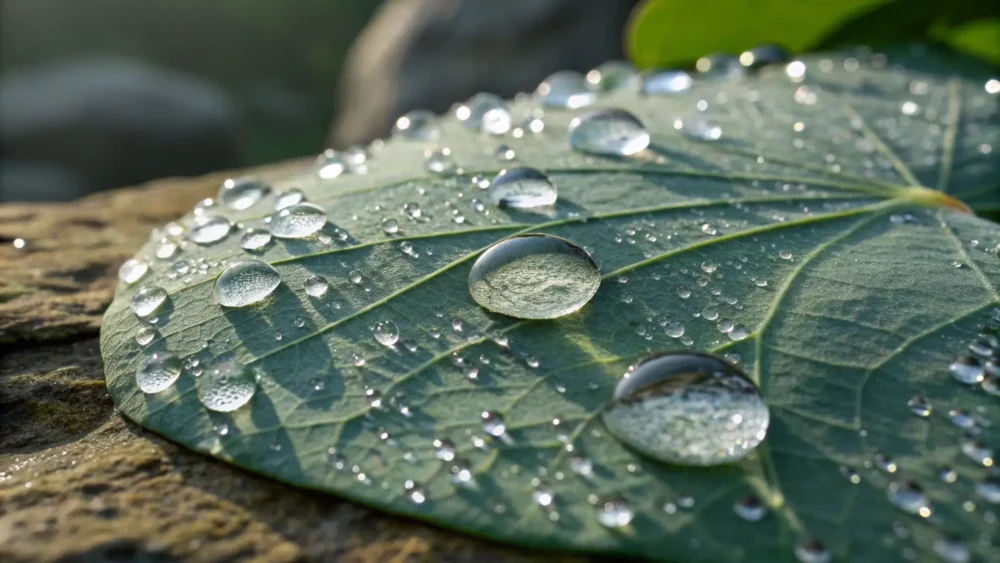
Nano tech uses silicon dioxide3 often. It mimics lotus leaf effect. Water rolls off.
Application is easy. Clean surface first. Spray or roll on. Dry time is short.
Durability tests show it resists UV too. No yellowing.
I applied it to my driveway. No more water pools. Stains gone.
Experts recommend reapply every few years. Depends on exposure.
Compare to wax. Wax wears fast. Nano lasts.
Table of comparison:
| Feature | Nano Sealant | Traditional |
|---|---|---|
| Penetration | Deep | Surface |
| Longevity | 5-10 years | 1-2 years |
| Appearance | Invisible | May gloss |
This tech advances fast. New formulas add anti-microbial.
I see future with self-healing nano.
But now, it solves water issues well.
How Do Nano Sealants Create a Protective Barrier?
Water penetrates stone easily. It causes mold and erosion. My basement wall suffered from this. Nano barriers stop it cold.
Nano sealants create a hydrophobic surface. Particles fill pores. They make stone repel water. Oil and dirt stay off too. The barrier is breathable. Stone can release vapor.
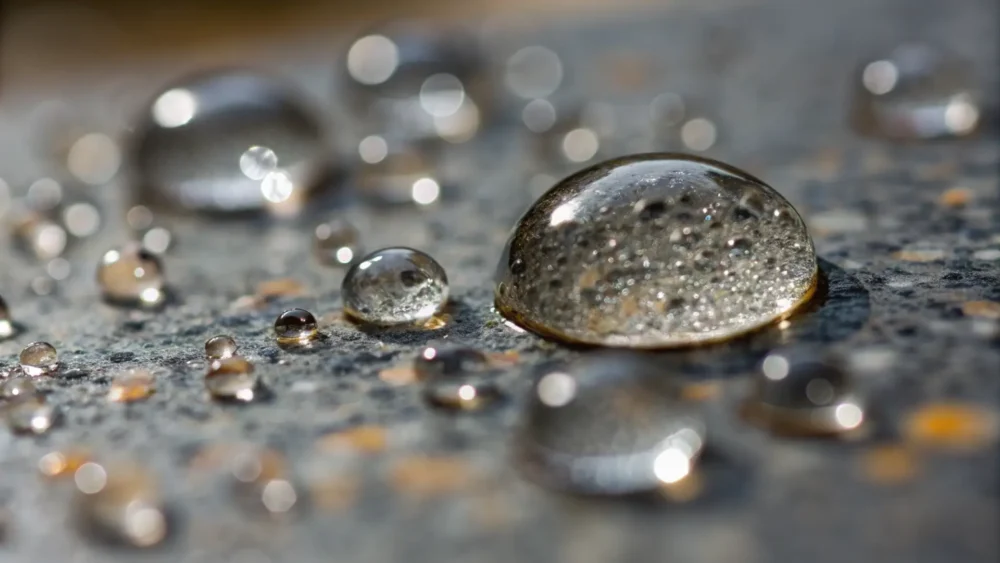
The process starts with application. Sealant soaks in. Nano particles link up. They form a net.
Mechanism of Hydrophobicity
Hydrophobic means water-fearing. Nano particles have special chemistry. They lower surface energy. Water forms beads.
I tested this on marble. Water bounced off.
Breathability Importance
Stone needs to breathe. Trapped moisture causes damage. Nano allows vapor out. But blocks liquid in.
Unlike plastic coatings. Those trap everything.
Testing the Barrier
Labs test with contact angle. Over 90 degrees means good repel.
My company tests products. We ensure high angles.
Table of contact angles:
| Material | Untreated | Nano Treated |
|---|---|---|
| Marble | 60° | 150° |
| Concrete | 40° | 140° |
Critical Views on Effectiveness
Some say nano wears off in high traffic. But proper apply lasts.
I walk on my treated floor daily. Still good.
Weather affects it. UV can degrade. But good nano has stabilizers.
In rain areas, it shines. No more efflorescence.
Efflorescence is salt deposits. Water brings them up. Nano stops water entry.
I had that on bricks. Gone after treatment.
Application tips: Use in dry weather. Two coats for best.
We link to similar nano glass coating for glass stones.
Future nano may self-clean.
But now, barrier is key to protection.
What Are the Benefits of Using Nano Sealants on Natural Stone?
Natural stone looks great but vulnerable. Water stains ruin it quick. I lost a nice slab to leaks. Nano benefits make it worth.
Benefits include long protection. Stain resistance. Easy clean. UV block. Eco options available. Stone keeps natural look.
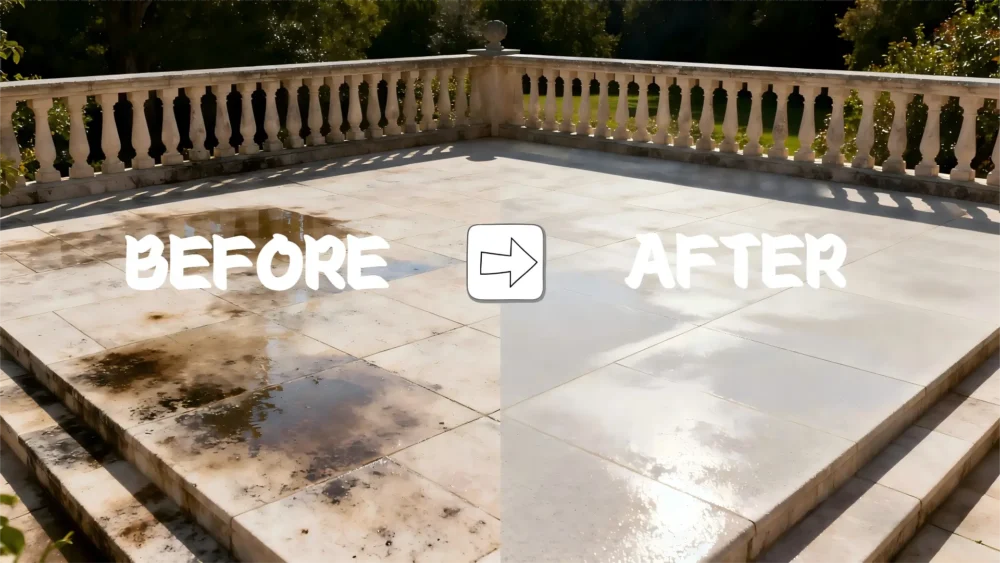
Sealants extend stone life. Less maintenance.
Long-Term Protection
Nano lasts years. Resists abrasion. I have treated counter five years. Still repels.
Stain and Dirt Resistance
Oil, wine spill? Wipe off. No soak in.
Table of common stains:
| Stain | Effect on Untreated | On Nano |
|---|---|---|
| Wine | Permanent mark | Wipes clean |
| Oil | Absorbs deep | Beads up |
Environmental Impact
Many nano are water-based. Low VOC. Safe for home.
I choose green products. Our company focuses on that.
Cost Savings
Initial cost higher. But saves on repairs. No frequent reseal.
Critics note upfront price. But ROI is good.
In my garage, concrete stayed crack-free.
UV protection prevents fade. Stone color stays.
Anti-mold too. Healthy home.
For outdoors, weatherproof.
I applied to patio. Rain no issue.
Compare to no sealant. Damage costs more.
Table:
| Aspect | With Nano | Without |
|---|---|---|
| Maintenance | Low | High |
| Lifespan | Extended | Short |
Nano enhances value. Homes sell better.
But choose right product. Not all nano equal.
We offer tested ones. Link to nano glass coating.
Benefits outweigh cons.
How Can You Apply Nano Stone Sealants Effectively?
Application seems hard. Wrong way wastes product. I messed up first time. Effective apply is simple with steps.
To apply, clean surface. Use right tools. Follow dry times. Test small area first. Reapply as needed.
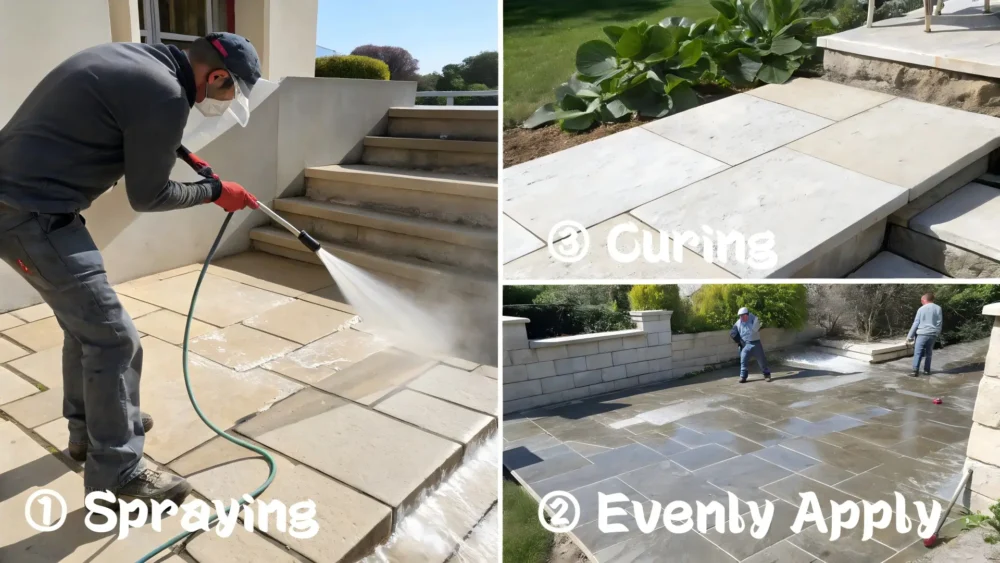
Steps ensure good bond.
Preparation Steps
Clean stone well. Remove dirt, old sealant. Use mild soap. Dry fully.
I skip this once. Sealant failed.
Tools Needed
Spray bottle or roller. Gloves. Mask if solvent.
Table of tools:
| Tool | Purpose |
|---|---|
| Spray | Even coat |
| Roller | Large areas |
Application Process
Apply thin coat. Let soak. Wipe excess. Second coat if porous.
Dry 24 hours.
Common Mistakes
Over apply. Causes haze. Work in sections.
I overdid on wall. Had to buff.
Weather: No rain during.
Test compatibility. Some stones react.
Critics say DIY hard. But instructions help.
In my workshop, I train on this.
For pros, faster. But home ok.
After apply, maintain with gentle clean.
No harsh chemicals.
Reapply every 3-5 years.
Signs: Water absorbs again.
Our products easy. See nano glass coating.
Effective apply gives best results.
Conclusion
Nano technology protects stone from water damage. It offers long benefits. I recommend it for all surfaces.
Explore this link to understand the fundamentals of nano technology and its revolutionary applications in various fields. ↩
Discover the significance of nano particles in enhancing the effectiveness of sealants and their unique properties. ↩
Find out how silicon dioxide plays a crucial role in nano technology and its applications in creating advanced materials. ↩