What Is a Nano Coating?
Ever wondered how your phone stays scratch-free or why water rolls off your car? I’m diving into nano coatings, the invisible tech making surfaces smarter and tougher.
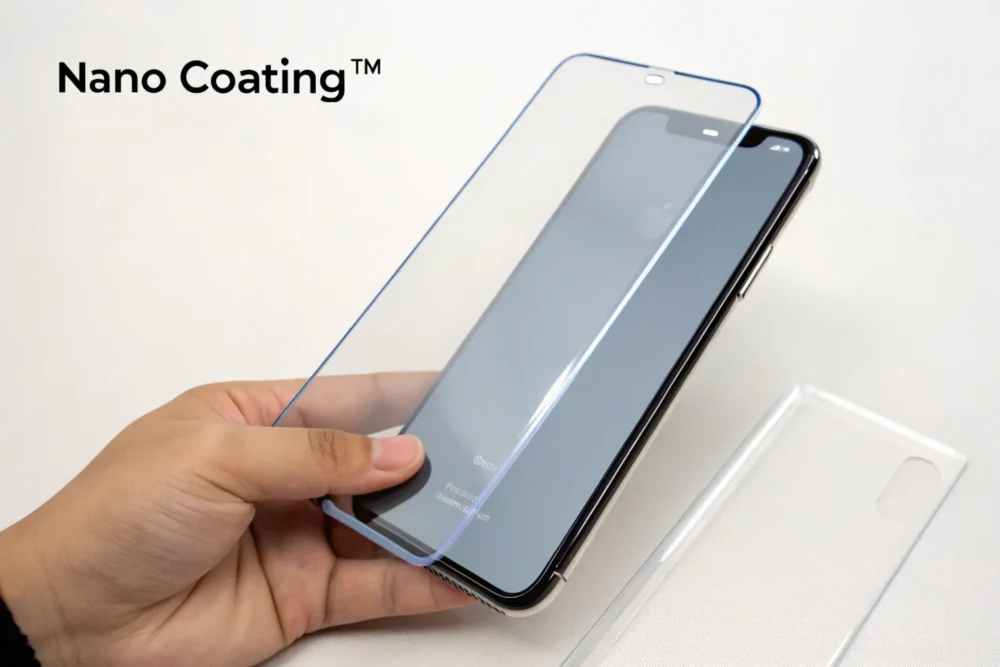
Nano coating is a super-thin layer, just nanometers thick, applied to surfaces. It adds features like water resistance, self-cleaning, scratch protection, or antibacterial properties to everyday objects.
I’ve worked with nano coatings for years, and their magic still amazes me. Stick with me to explore what they do, how long they last, and how to care for them.
What Is Nano Coating Used For?
Struggling with scratched screens or dirty windows? I’ve seen nano coatings solve these problems, transforming surfaces with a layer thinner than a hair.
Nano coatings protect surfaces, making them water-resistant, self-cleaning, scratch-proof, or antibacterial. They’re used on phones, cars, glass, and even kitchen appliances like non-stick pans.

Why Nano Coatings Are Game-Changers
As a nano materials expert, I’ve seen how these coatings revolutionize everyday items. Their tiny particles—measured in nanometers—alter a surface’s properties without changing its look or feel. Think of it like giving your phone or car an invisible superpower. Below, I break down their key uses with examples from my experience.
| Use Case | What It Does | Real-Life Example |
|---|---|---|
| Water Resistance | Repels water, preventing damage or stains | Phone screens that stay dry in rain |
| Self-Cleaning | Breaks down dirt under sunlight | Windows that clean themselves |
| Scratch Protection | Adds a tough layer to resist scratches | Key-proof phone screens |
| Antibacterial | Kills or repels bacteria for hygiene | Fridge interiors that stay germ-free |
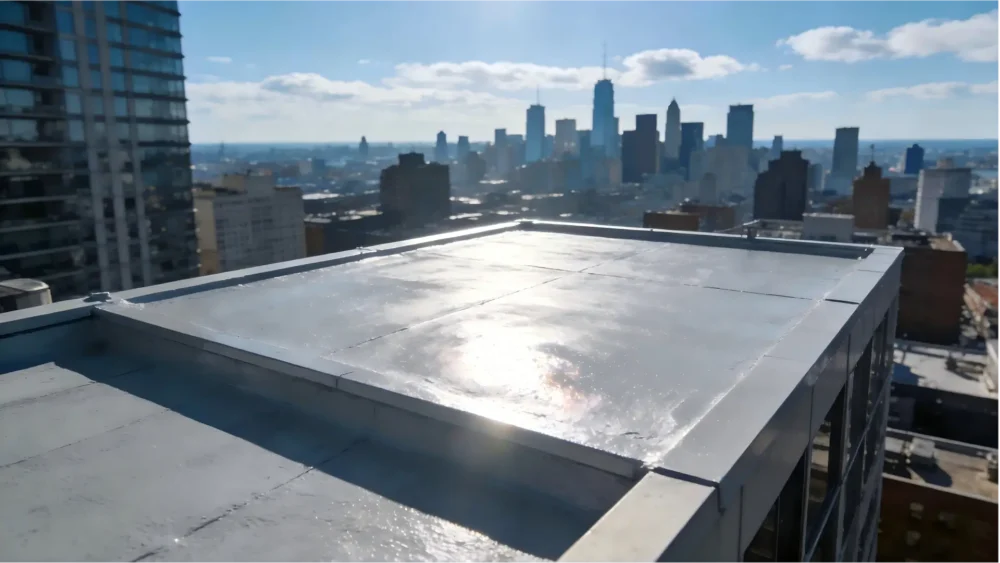
For example, I once worked on a project where we applied nano coatings to glass for a high-rise building. The result? Windows that repelled rainwater and stayed clean longer, saving maintenance costs. Another time, I helped a client with a nano glass coating for their car windshield, making driving in storms safer. These coatings work because their tiny particles bond tightly with the surface, creating a barrier that’s both durable and invisible.
Nano coatings aren’t just for tech gadgets. You’ll find them in kitchens (non-stick pans), bathrooms (anti-fog mirrors), and even clothing (stain-resistant fabrics). Their versatility comes from how we engineer the nanoparticles to interact with light, water, or bacteria. It’s like building a custom shield for each surface.
How Long Does Nano Coating Last?
Ever applied a phone screen protector only to see it peel off in weeks? I’ve tested nano coatings, and their durability might surprise you.
Nano coatings last from 6 months to 5 years, depending on the type, surface, and usage. Ceramic coatings on cars can last years, while phone coatings may need reapplication sooner.
Factors Affecting Nano Coating Longevity
I’ve spent years studying what makes nano coatings last, and it boils down to a few key factors. Let’s break them down to help you understand how to maximize their lifespan.
| Factor | Impact on Durability | What You Can Do |
|---|---|---|
| Coating Type | Ceramic coatings last longer than basic ones | Choose high-quality coatings like 3U’s |
| Surface Material | Glass and metal hold coatings better than plastic | Check surface compatibility before applying |
| Usage Environment | Harsh weather or heavy use wears coatings faster | Avoid abrasive cleaning or extreme conditions |
| Application Quality | Poor application reduces lifespan | Hire professionals for even coating |
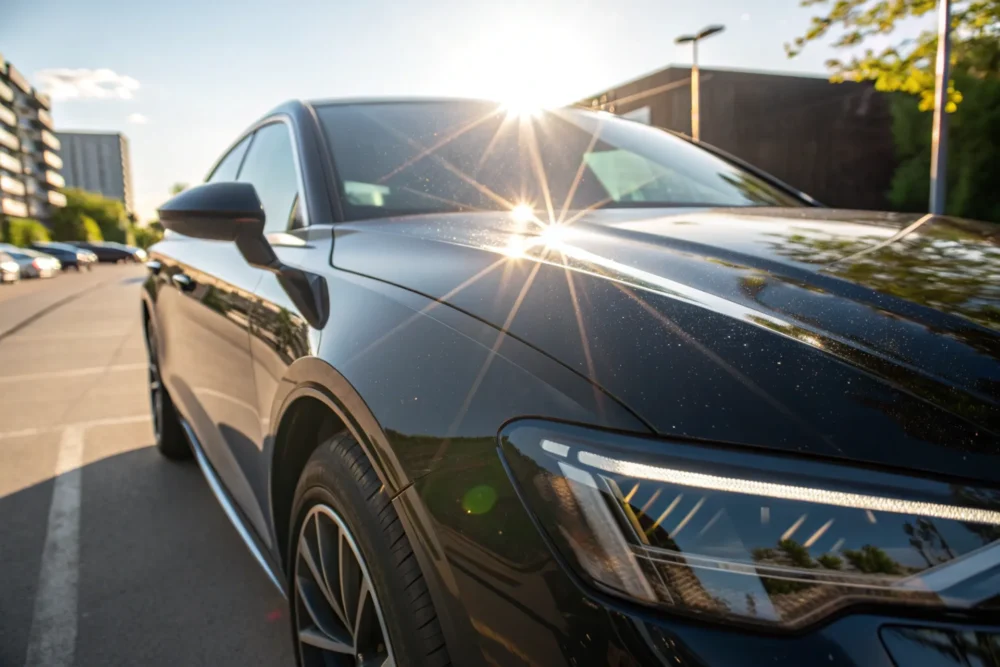
In my work with 3U’s nano solutions, I’ve seen ceramic coatings on cars last up to 5 years with proper care. For example, a client’s SUV stayed glossy and water-repellent for years after one application. However, coatings on phones or glasses, which face constant touching or cleaning, might only last 6-12 months. Why? Daily wear and tear, like rubbing against pockets or harsh soaps, can break down the coating’s bonds.
To make coatings last longer, I always recommend gentle cleaning and avoiding abrasive tools. For instance, I once advised a restaurant to switch to soft cloths for their nano-coated glass tables, doubling the coating’s life. The key is understanding that while nano coatings are tough, they’re not indestructible. Their nanoscale structure makes them strong, but improper care can weaken them over time.
How to Clean Nano Ceramic Coating?
Worried about ruining your car’s shiny nano coating? I’ve cleaned countless coated surfaces, and the right method keeps them sparkling without damage.
To clean nano ceramic coating, use a pH-neutral soap, microfiber cloth, and water. Avoid abrasive tools or harsh chemicals to maintain the coating’s protective layer.
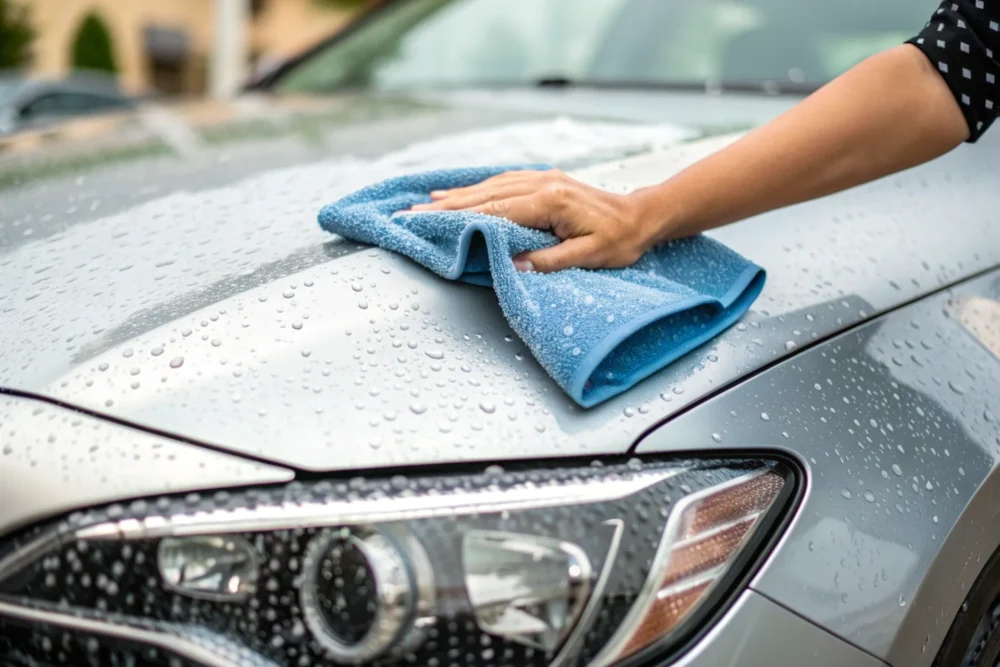
Best Practices for Cleaning Nano Ceramic Coatings
Cleaning nano ceramic coatings isn’t hard, but it requires care. I’ve learned this from years of working with coated surfaces, from cars to glass panels. Below, I share my top tips to keep your coating in top shape.
| Cleaning Step | Why It Matters | Pro Tip |
|---|---|---|
| Use pH-Neutral Soap | Harsh chemicals can degrade the coating | Choose car wash soaps labeled “pH-neutral” |
| Microfiber Cloths | Prevents scratches on the delicate nano layer | Wash cloths separately to avoid dirt buildup |
| Rinse Thoroughly | Removes dirt before wiping to avoid scratches | Use a hose for even water flow |
| Avoid Wax or Sealants | Can clog the coating’s self-cleaning properties | Stick to simple soap-and-water cleaning |
When I worked on a project for a client’s luxury car, we used a nano ceramic coating to keep it glossy. The client was amazed at how dirt slid off after a simple rinse, but I warned them against using regular car wax. Why? Wax can block the coating’s self-cleaning ability, reducing its effectiveness. Instead, I recommended a gentle wash with a microfiber mitt and a pH-neutral shampoo, followed by air-drying or a soft towel pat-down.
Another time, I helped a building manager maintain nano-coated windows. We used a two-bucket wash method—one for soapy water, one for rinsing—to avoid scratching the glass. This kept the nano glass coating intact for years. The key is to treat the coating like a delicate but powerful shield. Avoid pressure washers or abrasive sponges, as they can wear down the nano layer over time. With the right care, your coating stays effective, keeping surfaces clean and protected.
Conclusion
Nano coatings are invisible heroes, adding durability and smart features to surfaces. With proper care, they protect for years, saving time and money.